
Adaway Estates Lots and Productivity Valuation: What Buyers Should Know
August 20, 2026
August 20, 2026
Say you're comparing two properties outside Henderson. One sits in Adaway Country Estates, a quiet subdivision of brick homes on generous lots, several of them close to four acres. The other is a raw tract a few miles further out, listed at a similar price but carrying language like "ag exempt" or "timber exempt" somewhere in the description. Both promise room to breathe. A listing label alone doesn't establish how either property is taxed.
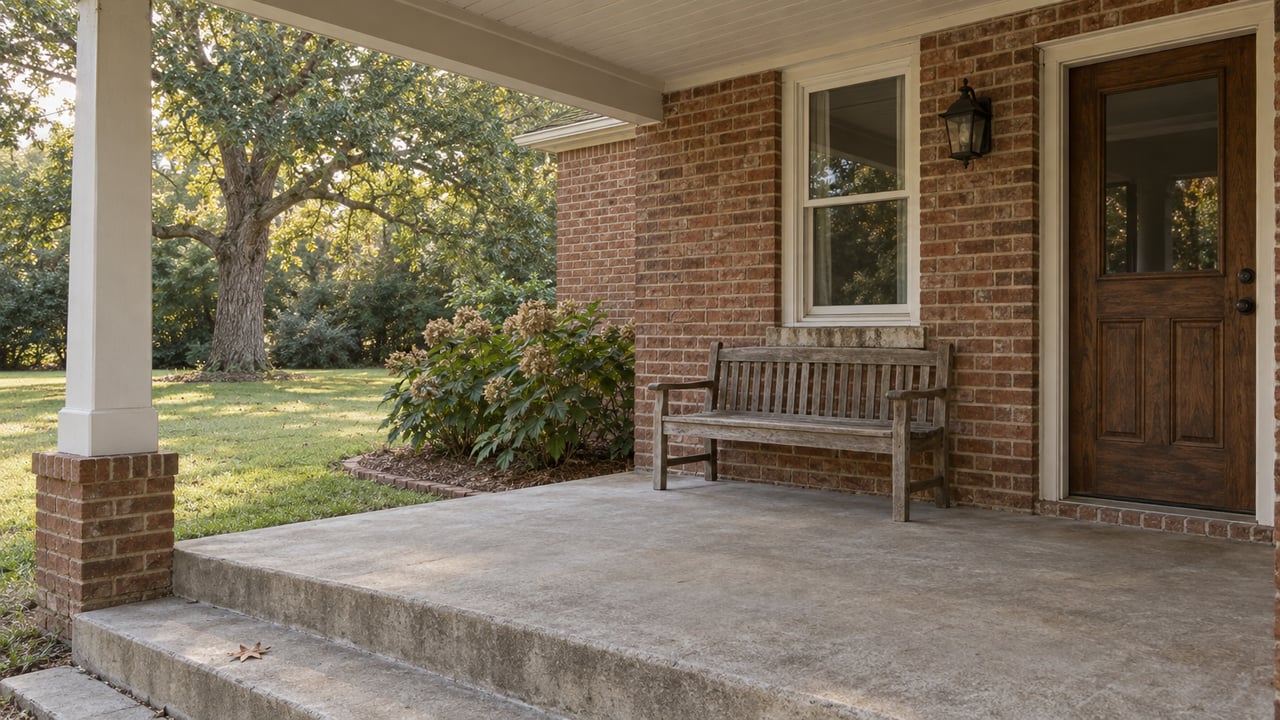
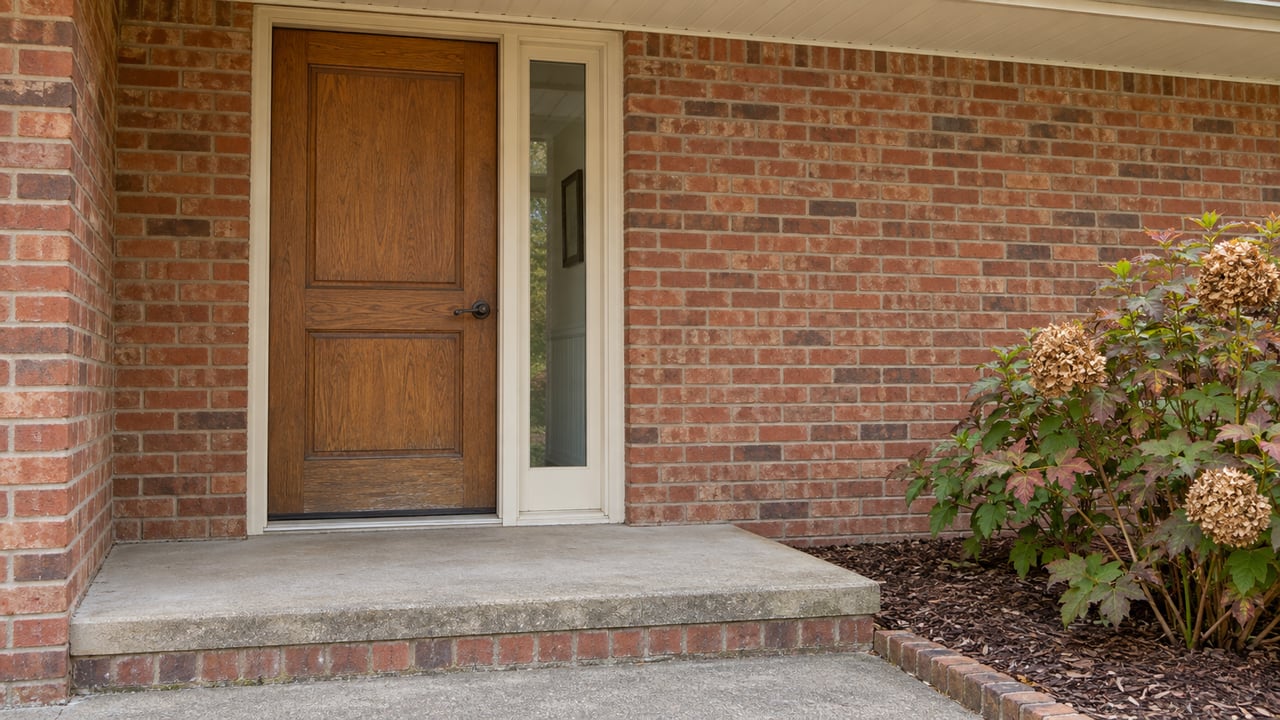
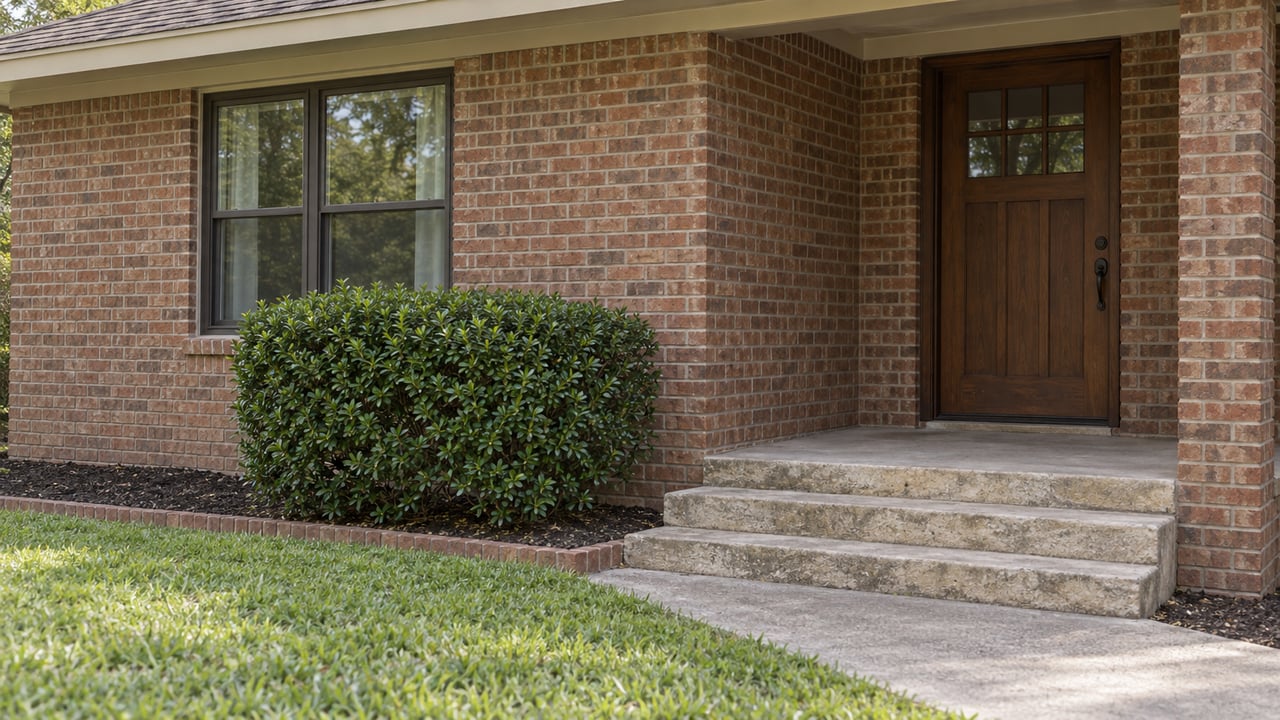
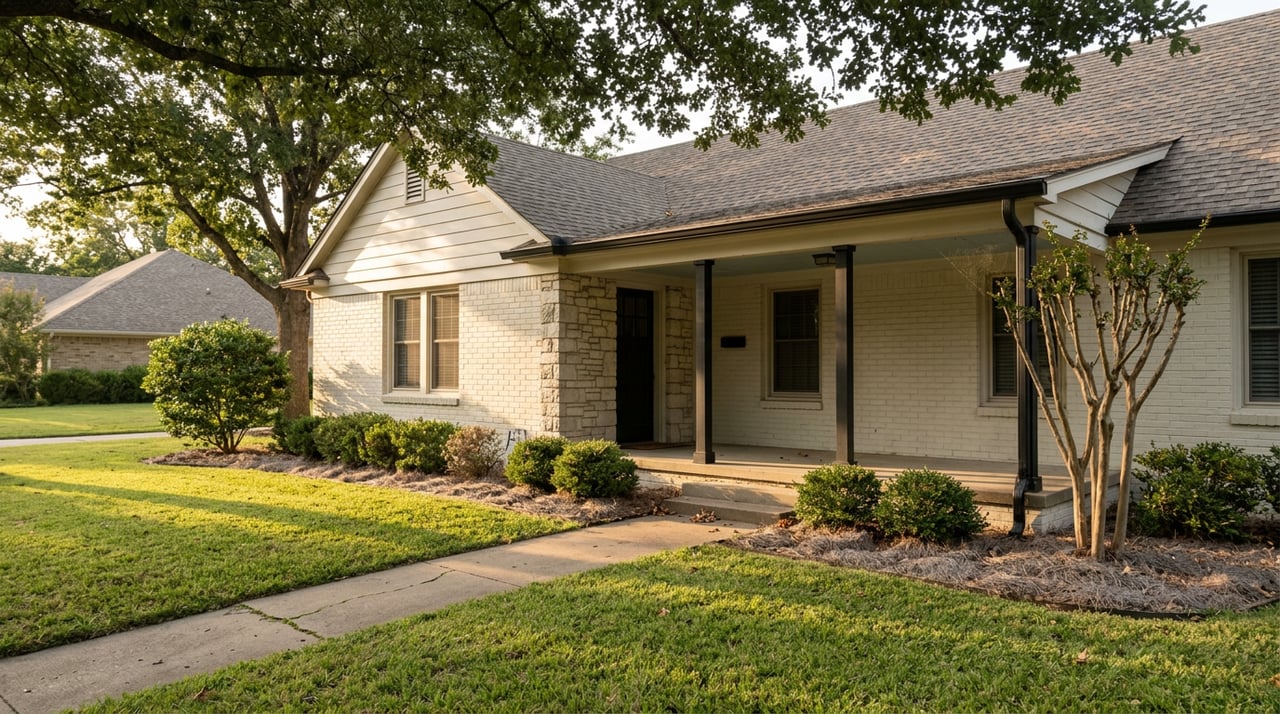
This isn't a hypothetical. Adaway Country Estates lots regularly run in the two to four acre range. A recent listing at 300 Cumberland put a 3,422 square foot brick home on 3.9 acres at $469,000, built in 1976. A sold comparable at 300 Adaway Ln closed in October 2025 at 1,769 square feet, also built in 1976, at $136 per square foot. These are real, comfortable country-adjacent lots. What they are not, in most cases, is large enough to qualify for the productivity valuation that can change how the land itself is valued for tax purposes.
Agricultural, timber, or wildlife management valuation, sometimes called productivity appraisal, taxes the land based on what it produces rather than what it would sell for.
Rusk County Appraisal District administers this, and their own guidance is direct about what it takes to qualify: the land has to be in active agricultural or timber use, not simply sitting idle with a fence around it. A Simply Texan summary of the county's practice puts a practical floor on this, often citing something in the neighborhood of ten acres or more before timber production can support a qualifying valuation, with general agricultural use requiring "sufficient size to support viable agricultural production" rather than a fixed number. Either way, the message is consistent. A 3.9 acre subdivision lot with a lawn and a driveway isn't going to clear that bar, no matter how rural it feels.
Compare that to the acreage tracts that turn up regularly around Henderson and Rusk County, most sitting at ten acres and up, where sellers lean on words like "timber exempt" precisely because that status is a selling point. It's not marketing spin. It can reflect a real difference in how the county may tax the next owner if the property continues to qualify.
| Adaway Country Estates lot | Typical outlying Rusk County tract | |
|---|---|---|
| Typical size | 2 to 4 acres | 10 acres and up |
| Example | 3.9 acres at 300 Cumberland, listed at $469,000 | Comparable tracts commonly listed in the 13 to 26 acre range nearby |
| How the land is valued | Full market value, no productivity appraisal | May qualify for agricultural or timber valuation if use and size requirements are met |
| What drives the tax bill | Appraised market value of house and land, less any applicable exemptions | Productivity value of the land, often well below market price, plus market value of any structures, less any applicable exemptions |
It's tempting to assume the general residential homestead exemption evens things out. It doesn't, and the reason is worth sitting with if you're comparing acreage options. Every school district in Texas grants a flat $100,000 reduction from market value under the general homestead exemption. That's the same $100,000 whether your homestead sits on a fifth of an acre in town or four acres in Adaway Estates. The exemption doesn't scale with lot size.
Productivity valuation, by contrast, scales directly with acreage, because it's replacing the market value of the land itself, not just knocking a flat amount off the top. That's the entire reason the acreage threshold matters so much. On a small lot, the flat homestead exemption is doing most of the work. On a large qualifying tract, productivity valuation is doing the heavy lifting, and it can shrink the taxable value of the land itself far more than any flat exemption ever could.
So the extra three or four acres you're paying for in an Adaway Estates lot get essentially no tax-side benefit beyond what any homeowner already receives. They're simply additional appraised value sitting on the tax roll at full market price, unless that specific acreage independently qualifies for special valuation, which for a lot this size is unlikely.
None of this makes Adaway Country Estates a bad choice. It makes it a different kind of product than a raw acreage tract, and it's worth being clear-eyed about which one you're buying. These are established, mid-century brick homes, most built in the mid-1970s, on lots sized for privacy and space rather than production. You're paying for room between neighbors, mature trees, and the kind of quiet that comes with acreage, without taking on the work, equipment, or fencing that agricultural use requires. That's a legitimate reason to buy here. It's just not a tax strategy, and buyers sometimes conflate the two because both properties get called "acreage" in casual conversation.
Henderson's broader market gives some useful context here. As of August 2026, the average home price in the 75652 zip code stood at $284,052, with homes across Henderson typically listing at a median of $264,000 and spending about 110 days on the market. A $469,000 listing on 3.9 acres in Adaway sits meaningfully above those figures, which is exactly what you'd expect for the extra land and square footage. The premium is real. Just don't expect the county to discount it back down the way it might for a tract that qualifies for productivity valuation.
A few things worth checking before you assume "more land" means "lower taxes":
Does buying a bigger lot in Adaway Estates automatically lower my property tax? No. A larger lot means a higher appraised market value unless that specific acreage separately qualifies for agricultural or timber valuation, and Rusk County's practical acreage thresholds make that unlikely for a typical two to four acre subdivision lot.
Can I apply for an ag exemption after buying a 3 to 4 acre lot in Adaway Estates? You can apply, but the county requires documented, ongoing production sized to what the land can actually support, and guidance around timber use commonly points to roughly ten acres or more. A residential lot this size, even with animals or equipment on it, is unlikely to clear that bar.
Does the homestead exemption make up the difference? It reduces your home's taxable value by a flat $100,000 for school taxes, but that number doesn't change based on lot size. Four acres and a fifth of an acre get the identical dollar reduction, which is exactly why acreage alone doesn't move the needle the way productivity valuation would on a larger qualifying tract.
If you're weighing an Adaway Estates lot against something further out in Rusk County, the acreage numbers on the listing sheet only tell half the story. The other half sits in the county appraisal record, and it's worth reading before you fall in love with the space. I'd be glad to walk through both sides of that comparison with you, property by property, so you know exactly what you're buying and what it's going to cost you every year after closing.
Jennifer Ellis: Let's Connect.
This article is general information, not legal, tax or financial advice. Consult a qualified professional about your situation.
Stay up to date on the latest real estate trends.


Get assistance on determining current property value, crafting a competitive offer, writing and negotiating a contract, and much more. Let me guide you through your home-buying journey.
JENNIFER ELLIS
ADDRESS 117 E Main St Henderson, TX 75652